How to Create a Realistic Travel Budget (Free Template)
Planning a trip can be one of life’s most exciting experiences—but it can also get expensive fast. Hidden fees, unexpected costs, and last-minute changes can turn a dream vacation into financial stress if you don’t plan ahead. The good news? Building a realistic travel budget doesn’t have to be complicated. With the right structure, clear categories, and a simple template, you can estimate your trip costs accurately and travel with complete peace of mind.
In this guide, you’ll learn how to create a realistic travel budget step-by-step, how to avoid the most common budgeting mistakes, and how to use the free template provided to stay organized before and during your trip.
Why You Need a Travel Budget
A travel budget does more than help you avoid overspending. It’s a decision-making tool—one that helps you choose destinations, prioritize experiences, and enjoy your trip without worrying about money. Here are the key benefits:
✔ Helps you plan realistically
You can determine whether your dream destination is financially feasible before booking anything.
✔ Prevents unexpected expenses
A complete budget accounts for small but significant items like snacks, transportation passes, and service fees.
✔ Allows you to track expenses on the go
By updating the budget during the trip, you’ll know when to save or when you can comfortably splurge.
✔ Reduces stress
Knowing you’ve planned well eliminates the constant worry of running out of funds.
Step 1: Determine Your Total Available Budget
Before researching flights or hotels, start with one question:
How much can you comfortably afford for this trip?
This total number isn’t the cost of the trip—it’s your financial limit. Once you have this figure, you can break it down into categories.
How to Calculate It
-
Savings: How much have you set aside or can save before the trip?
-
Income allocation: Can you safely set aside a percentage of future earnings?
-
Travel fund: Do you already have money designated for travel?
Avoid the mistake of planning based on what you wish you could spend.
A realistic travel budget begins with an honest assessment of your finances.
Step 2: Choose Your Destination Strategically
Your destination determines almost everything: flight cost, accommodation, food prices, transportation, and even entertainment options. To prevent overspending, research your destination’s average daily travel costs.
Factors That Influence Travel Costs
-
Local cost of living
-
Seasonality (peak vs. off-season)
-
Currency exchange rates
-
Local taxes or tourism fees
For example, Southeast Asia, Eastern Europe, and parts of Latin America often offer lower per-day costs compared to Western Europe or major US cities.
Tools for Price Research
-
Travel forums (Tripadvisor, Reddit)
-
Price aggregation sites (Skyscanner, Google Flights)
-
Nomad and backpacker cost-of-living blogs
-
Guidebooks and tourism board websites
Step 3: Break the Budget Into Key Categories
A realistic travel budget includes every major spending category—not just flights and hotels. Use the categories below to get complete clarity.
Major Travel Budget Categories
1. Transportation
Transportation often makes up the largest portion of a travel budget.
Include Costs For:
-
Flights (or trains, buses, ferries)
-
Airport transfers
-
Daily transportation (metro, bus, taxi, rideshare, tuk-tuk)
-
Car rentals + insurance
-
Gas/petrol
-
Parking or tolls
Tips to Save on Transportation
-
Use flight comparison tools and price alerts.
-
Fly mid-week instead of weekends.
-
Use local public transportation instead of taxis.
-
Book trains or long-distance buses early.
2. Accommodation
Your lodging costs can vary dramatically based on your choices and travel style.
Include Costs For:
-
Hotels
-
Hostels
-
Vacation rentals (Airbnb, Vrbo)
-
Resorts
-
Guesthouses
-
Campsites
Tips to Save on Accommodation
-
Compare across platforms—prices often differ.
-
Stay slightly outside the city center.
-
Consider accommodations with kitchen access to reduce food spending.
-
Book early for popular destinations.
3. Food and Drinks
Food is one of the most underestimated travel expenses.
Include Costs For:
-
Breakfast, lunch, dinner
-
Snacks and drinks
-
Coffee shops
-
Special dining experiences
-
Tips and service fees
How to Estimate Food Costs
Research:
-
Average meal costs in your destination
-
Whether service charges/tipping are standard
Tips to Save
-
Eat where locals eat—not tourist zones.
-
Look for lunch specials.
-
Buy groceries for simple breakfasts or snacks.
4. Activities & Entertainment
This is the fun part—and where budgets can unexpectedly explode.
Include Costs For:
-
Museum or attraction tickets
-
Tours and excursions
-
Theme parks
-
Sporting events
-
Festivals or nightlife
-
Local classes (cooking, diving, crafts)
Most attractions publish ticket prices online, so estimate accurately.
5. Travel Insurance
Many travelers skip insurance, but it’s essential—especially for international trips.
Types to Consider:
-
Medical travel insurance
-
Trip cancellation insurance
-
Baggage insurance
Typically ranges from 4–10% of your total trip cost.
6. Visa and Entry Fees
Some countries require:
-
Visa fees
-
Travel authorization (like ESTA)
-
Departure taxes
Check government websites before finalizing your budget.
7. Shopping & Souvenirs
These small costs add up quickly:
-
Clothing
-
Local crafts
-
Gifts for friends/family
Set a limit before traveling to avoid impulse spending.
8. Emergency & Miscellaneous
Every good budget includes a buffer of 10–20% for:
-
Medical needs
-
Unexpected transportation
-
Hotel deposits
-
Lost or damaged items
This ensures you’re financially protected.
Step 4: Estimate the Cost Per Day
Once you have your categories, calculate a daily cost estimate.
Basic Formula
Then multiply by the number of travel days.
This helps you:
-
Accurately project the cost of long vs. short trips.
-
Compare different destinations.
-
Adjust your plans to fit your overall budget.
Step 5: Compare Your Estimated Total With Your Available Budget
This is where you evaluate:
Does the trip fit within your financial limit?
If not, adjust by:
-
Choosing cheaper accommodations
-
Shifting travel dates
-
Selecting free or low-cost activities
-
Finding cheaper flight options
-
Reducing total travel days
Your goal: make the trip affordable without lowering the quality of your experience.
Step 6: Track Expenses Before and During the Trip
A budget is only useful if you track spending.
Before the Trip:
-
Record all prepaid expenses (flights, hotels, visas).
-
Update your budget as you make bookings.
During the Trip:
-
Track daily spending in the template.
-
Update categories after each purchase.
-
Compare actual costs with planned costs.
Tools You Can Use
-
The free template (below)
-
Google Sheets or Excel
-
Travel budget apps
-
Notes apps on your phone
The goal is not perfection but awareness.
Step 7: Review and Adjust After Your Trip
Once home, review your:
-
Planned vs. actual spending
-
Categories you underestimated
-
Categories where you overspent
-
Savings or splurges you enjoyed most
This reflection makes budgeting easier for future trips and helps you become a smarter traveler over time.
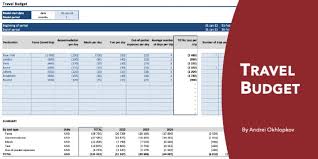
Free Realistic Travel Budget Template
Below is a simple, flexible structure you can copy into any spreadsheet.
If you’d like a formatted downloadable version, just tell me the file type (PDF, Word, Excel).
Travel Budget Template (Copy/Paste Version)
Trip Overview
-
Destination:
-
Dates:
-
Total Budget:
-
Number of Days:
1. Transportation
| Item | Estimated Cost | Actual Cost |
|---|---|---|
| Flights | ||
| Trains/Buses | ||
| Local transit | ||
| Car rental | ||
| Fuel/Parking/Tolls | ||
| Airport transfers | ||
| Transportation Total |
2. Accommodation
| Item | Estimated | Actual |
|---|---|---|
| Hotel/Hostel | ||
| Airbnb/Vacation rental | ||
| Resort fees/Taxes | ||
| Accommodation Total |
3. Food & Drinks
| Item | Estimated | Actual |
|---|---|---|
| Breakfast | ||
| Lunch | ||
| Dinner | ||
| Snacks/Coffee | ||
| Drinks/Nightlife | ||
| Food Total |
4. Activities & Entertainment
| Activity | Estimated | Actual |
|---|---|---|
| Museums | ||
| Tours | ||
| Attractions | ||
| Special events | ||
| Classes/Workshops | ||
| Activities Total |
5. Insurance, Visas & Fees
| Item | Estimated | Actual |
|---|---|---|
| Travel insurance | ||
| Visa fees | ||
| Entry/Exit taxes | ||
| Total |
6. Shopping & Souvenirs
| Item | Estimated | Actual |
|---|---|---|
| Clothing | ||
| Gifts | ||
| Local crafts | ||
| Shopping Total |
7. Emergency & Miscellaneous
| Item | Estimated | Actual |
|---|---|---|
| Medical | ||
| Unexpected travel | ||
| Misc. expenses | ||
| Misc. Total |
Grand Totals
| Category | Estimated | Actual |
|---|---|---|
| Transportation | ||
| Accommodation | ||
| Food | ||
| Activities | ||
| Other Costs | ||
| Total Trip Cost |
Final Tips for Staying Within Budget
1. Book early for the biggest savings
Flights, accommodations, and event tickets are cheaper months in advance.
2. Monitor exchange rates
If traveling abroad, fluctuations can affect your total cost.
3. Take advantage of free experiences
Many cities offer free museum days, parks, walking tours, and cultural events.
4. Use cash for small daily expenses
This helps you avoid overspending and ATM fees.
5. Reuse your travel budget template for every future trip
Once you learn your travel patterns, your estimates become extremely accurate.
Conclusion
Creating a realistic travel budget is the foundation of a stress-free, enjoyable trip. By planning your spending categories, estimating accurately, and using a simple template to track your expenses, you can travel confidently—whether you’re backpacking on a tight budget or planning a luxury vacation.
A good travel budget brings clarity to your choices, helps you avoid financial surprises, and gives you full control over your travel experience. read more: Travels