Travel Requirements & Documents
Traveling from one place to another—whether for tourism, education, work, business, medical care, or religious purposes—requires more than just packing a bag and booking a ticket. One of the most important aspects of any journey is ensuring that all travel requirements and documents are complete, valid, and up to date. Failure to meet these requirements can lead to denied boarding, visa refusal, deportation, or even travel bans.
In today’s globalized world, governments enforce strict immigration and security policies to regulate the movement of people across borders. As a result, travelers must understand the documents required for both domestic and international travel, as well as the specific entry conditions of their destination country. This article provides a comprehensive explanation of travel requirements and documents, why they are important, and how travelers can prepare properly to avoid complications.
Understanding Travel Requirements
Travel requirements refer to the official conditions and documents a traveler must fulfill before entering, exiting, or transiting through a country. These requirements vary depending on several factors, including:
-
Nationality of the traveler
-
Destination country
-
Purpose of travel
-
Length of stay
-
Mode of travel (air, land, or sea)
-
Health and security regulations
While some countries allow visa-free or visa-on-arrival access, others require advance approval and extensive documentation. Therefore, travelers must research destination-specific requirements well ahead of time.
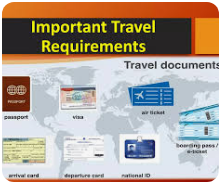
Essential Travel Documents
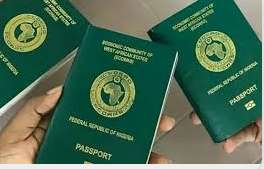
1. International Passport
An international passport is the most fundamental travel document for crossing borders. It serves as proof of identity and nationality and is issued by a traveler’s home country.
Key passport requirements include:
-
Validity of at least 6 months beyond the intended return date (required by many countries)
-
At least one or two blank visa pages
-
Good physical condition (not torn, damaged, or altered)
Expired or damaged passports can result in denied boarding or entry.
2. Visa
A visa is an official authorization that allows a traveler to enter, stay, or transit through a foreign country for a specific purpose and duration.
Common visa types include:
-
Tourist visa
-
Student visa
-
Work visa
-
Business visa
-
Transit visa
-
Medical visa
-
Diplomatic or official visa
Visas can be obtained through:
-
Embassies or consulates
-
Online platforms (e-visa)
-
Arrival points (visa on arrival), where applicable
Each visa comes with conditions, such as length of stay, employment restrictions, and renewal rules.
3. Flight Ticket or Travel Itinerary
Most immigration authorities require travelers to present:
-
A confirmed return or onward ticket
-
A detailed travel itinerary
This helps officials confirm that the traveler intends to leave the country within the permitted period.
4. Proof of Accommodation
Travelers are often required to show evidence of where they will stay during their visit. Acceptable documents include:
-
Hotel booking confirmation
-
Invitation letter from a host
-
Proof of residence (for returning residents)
Some countries require accommodation details for the entire duration of stay.
5. Proof of Sufficient Funds
To ensure that visitors can support themselves financially, immigration authorities may request proof of funds such as:
-
Recent bank statements
-
Credit or debit cards
-
Sponsorship letters
-
Traveler’s cheques
This requirement helps prevent illegal employment and overstaying.
6. Travel Insurance
Travel insurance is increasingly becoming a mandatory requirement for many destinations. It typically covers:
-
Medical emergencies
-
Accidents
-
Trip cancellations
-
Lost luggage
Some countries specify minimum coverage amounts, especially for medical expenses.
Health and Medical Requirements
7. Vaccination Certificates
Health regulations play a major role in travel requirements. Many countries require travelers to present vaccination certificates, particularly for:
-
Yellow fever
-
COVID-19 (depending on current regulations)
-
Polio (for travelers from certain regions)
The International Certificate of Vaccination or Prophylaxis (ICVP) is commonly used as proof.
8. Medical Reports and Health Declarations
For long-term visas such as student or work visas, travelers may need:
-
Medical examination reports
-
HIV or tuberculosis test results
-
Health declaration forms
These documents are usually issued by approved medical centers.
Special Purpose Travel Documents
9. Invitation Letter
An invitation letter is often required when visiting friends, family, or organizations. It typically includes:
-
Host’s full name and address
-
Relationship to the traveler
-
Purpose and duration of visit
-
Proof of legal status of the host
This document strengthens visa applications and entry approval.
10. Employment or School Documents
For work or study travel, additional documents may include:
-
Job offer letter
-
Employment contract
-
Admission letter from an educational institution
-
Proof of tuition payment
These documents confirm the legitimacy of the travel purpose.
11. Minor Travel Documents
Children and minors traveling alone or with one parent may require:
-
Birth certificate
-
Parental consent letter
-
Court custody documents (if applicable)
These measures help prevent child trafficking and custody disputes.
Travel Requirements for Domestic Travel
Although domestic travel does not require a passport or visa, travelers may still need:
-
National identity card
-
Driver’s license
-
Voter’s card or government-issued ID
-
Health clearance during emergencies
Airlines may also request identification before boarding domestic flights.
Transit and Layover Requirements
Even when not entering a country, travelers may need:
-
Transit visa
-
Valid visa for final destination
-
Sufficient layover time
Failure to meet transit requirements can disrupt travel plans.
Customs and Immigration Declarations
Upon arrival or departure, travelers may need to complete:
-
Customs declaration forms
-
Immigration arrival or departure cards
These forms disclose items such as:
-
Cash amounts
-
Restricted goods
-
Agricultural products
False declarations can lead to fines or legal consequences.
Importance of Travel Documents
Having complete and accurate travel documents is essential because they:
-
Ensure legal entry and stay
-
Protect travelers’ rights abroad
-
Prevent travel delays and financial losses
-
Enhance national and international security
Proper documentation reflects preparedness and credibility to immigration authorities.
Common Travel Document Mistakes to Avoid
Many travelers face challenges due to avoidable errors, such as:
-
Applying for the wrong visa category
-
Traveling with near-expiry passports
-
Providing false or incomplete information
-
Ignoring health requirements
-
Not checking updated travel regulations
Staying informed and organized reduces these risks.
Tips for Preparing Travel Documents
To ensure a smooth travel experience:
-
Start preparations early
-
Check official embassy or government websites
-
Keep both physical and digital copies of documents
-
Verify validity dates and visa conditions
-
Seek professional guidance when necessary
Proper planning saves time, money, and stress.
The Role of Technology in Travel Documentation
Modern travel systems now include:
-
E-visas
-
Digital vaccination records
-
Biometric passports
-
Online travel authorization systems
These innovations improve efficiency but still require accuracy and compliance.
Conclusion
Travel requirements and documents are the backbone of safe, legal, and successful travel. Whether traveling domestically or internationally, understanding what documents are required—and why they matter—is crucial. From passports and visas to health certificates and financial proof, each document plays a role in ensuring smooth border crossing and compliance with immigration laws.
As travel regulations continue to evolve due to security, health, and global events, travelers must stay informed and proactive. Proper documentation not only prevents unnecessary complications but also allows travelers to focus on the true purpose of their journey—exploration, growth, connection, and opportunity.
By preparing thoroughly and respecting international travel rules, travelers can enjoy seamless journeys and positive experiences wherever they go.