What Jobs Have Visa Sponsorship
In an increasingly globalized world, many people dream of working abroad to gain better career opportunities, higher income, global exposure, and an improved quality of life. However, one major challenge international job seekers face is immigration law. Most countries require foreign workers to obtain a work visa, and in many cases, that visa must be sponsored by an employer. This leads to an important question: What jobs have visa sponsorship?
Visa sponsorship jobs are roles where an employer is willing and legally permitted to hire a foreign worker and support their work visa application. These jobs usually exist in sectors experiencing labor shortages, skills gaps, or rapid growth. This article explores the types of jobs that commonly offer visa sponsorship, why employers sponsor visas, and how job seekers can position themselves for these opportunities.
Understanding Visa Sponsorship
Visa sponsorship means an employer officially supports a foreign national’s application to work legally in a country. The employer typically proves to the government that they could not find a suitable local candidate and that the foreign worker has skills that are in demand. Sponsorship may involve covering legal fees, meeting salary thresholds, and complying with labor laws.
Not all jobs qualify for sponsorship. Countries prioritize roles that contribute significantly to their economy, healthcare, infrastructure, innovation, or social welfare.
Why Employers Offer Visa Sponsorship
Employers sponsor visas for several reasons:
-
Skills Shortages: Some industries lack enough qualified local workers.
-
Specialized Expertise: Certain roles require niche or advanced skills.
-
Economic Growth: Governments encourage hiring foreign professionals in key sectors.
-
Global Competition: Companies need international talent to remain competitive.
Because sponsorship involves cost and legal responsibility, employers usually reserve it for roles that are hard to fill.
Healthcare and Medical Jobs
Healthcare is one of the largest sectors offering visa sponsorship worldwide. Many developed countries face aging populations and shortages of healthcare professionals.
Common sponsored healthcare jobs include:
-
Doctors and physicians
-
Registered nurses
-
Midwives
-
Medical laboratory scientists
-
Radiographers
-
Physiotherapists
-
Psychologists
-
Caregivers and elderly care workers
Countries such as the United Kingdom, Canada, Australia, Germany, and the United States frequently sponsor healthcare workers. These jobs are often placed on national shortage occupation lists, making visa approval easier.
Information Technology (IT) and Tech Jobs
The technology sector is another major source of visa sponsorship due to rapid digital transformation and innovation.
Sponsored IT and tech roles include:
-
Software developers and engineers
-
Data analysts and data scientists
-
Cybersecurity specialists
-
Artificial intelligence and machine learning engineers
-
Cloud engineers
-
IT project managers
-
Web and mobile app developers
Tech companies value skills over nationality, and many are accustomed to hiring globally. Countries with strong tech ecosystems actively sponsor skilled tech professionals.
Engineering and Technical Jobs
Engineering roles are essential for infrastructure, manufacturing, and innovation, making them prime candidates for visa sponsorship.
Common engineering jobs with sponsorship include:
-
Civil engineers
-
Mechanical engineers
-
Electrical engineers
-
Chemical engineers
-
Petroleum engineers
-
Industrial engineers
-
Renewable energy engineers
These jobs are especially in demand in countries investing in construction, energy, transportation, and industrial development.
Construction and Skilled Trades
While often overlooked, skilled trades and construction jobs can also offer visa sponsorship, particularly where there is a shortage of trained workers.
Examples include:
-
Electricians
-
Plumbers
-
Welders
-
Carpenters
-
Bricklayers
-
Heavy equipment operators
-
Construction supervisors
Many countries now recognize that skilled trades are vital to economic growth and infrastructure development, leading to increased sponsorship opportunities.
Education and Teaching Jobs
Education is another sector where visa sponsorship is common, especially for specialized or high-demand subjects.
Sponsored teaching roles include:
-
University lecturers and researchers
-
Secondary school teachers (especially math, science, and special education)
-
English language teachers (in certain countries)
-
Special needs educators
Institutions often sponsor teachers to fill gaps in expertise, particularly in science, technology, engineering, and mathematics (STEM) fields.
Finance, Accounting, and Business Roles
While more competitive, some finance and business jobs do offer visa sponsorship, particularly at senior or specialized levels.
Examples include:
-
Chartered accountants
-
Auditors
-
Financial analysts
-
Risk and compliance officers
-
Investment bankers
-
Management consultants
-
Supply chain and logistics managers
Multinational companies are more likely to sponsor visas for these roles, especially when international experience is required.
Hospitality and Tourism Jobs
In certain regions, hospitality and tourism jobs can offer visa sponsorship, particularly during labor shortages or peak seasons.
Examples include:
-
Chefs and specialized cooks
-
Hotel managers
-
Restaurant supervisors
-
Pastry chefs
-
Cruise ship staff
While not all hospitality jobs qualify, skilled and experienced professionals stand a better chance of sponsorship.
Agriculture and Farming Jobs
Some countries offer visa sponsorship for agricultural roles, especially seasonal or essential farming jobs.
Sponsored roles may include:
-
Farm supervisors
-
Agricultural technicians
-
Dairy farm workers
-
Horticulture specialists
-
Poultry and livestock managers
These jobs are often supported through special agricultural or temporary worker visa programs.
Science, Research, and Academia
Highly skilled professionals in science and research are frequently sponsored due to their contribution to innovation and national development.
Examples include:
-
Research scientists
-
Biotechnologists
-
Environmental scientists
-
University researchers
-
Laboratory specialists
Governments and institutions actively attract global talent in research-intensive fields.
Transportation and Logistics Jobs
With global trade and supply chains expanding, transportation and logistics roles are increasingly sponsored.
Examples include:
-
Truck drivers (in some countries)
-
Logistics managers
-
Supply chain analysts
-
Warehouse operations managers
-
Aviation technicians and pilots
Some countries have special visa programs to address driver and logistics shortages.
Countries Known for Visa Sponsorship Opportunities
Although visa sponsorship depends on employer demand, some countries are particularly open to sponsoring foreign workers:
-
Canada: Skilled trades, healthcare, IT, and engineering.
-
United Kingdom: Healthcare, education, IT, and engineering.
-
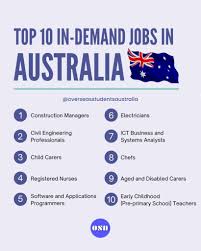
Australia: Healthcare, construction, engineering, and agriculture.
-
Germany: Engineering, IT, healthcare, and skilled trades.
-
United States: Technology, healthcare, research, and engineering.
-
New Zealand: Construction, healthcare, and agriculture.
Each country maintains its own shortage occupation lists and visa categories.
How to Find Visa Sponsorship Jobs
Finding a sponsored job requires strategy and persistence. Key steps include:
-
Target the Right Industries: Focus on high-demand sectors.
-
Use Specialized Job Boards: Look for platforms that list visa sponsorship jobs.
-
Research Employer Policies: Some companies openly state their sponsorship options.
-
Build In-Demand Skills: Certifications and experience improve your chances.
-
Prepare International-Standard CVs: Tailor your resume to the country’s format.
-
Network Globally: Professional connections can open doors to sponsorship.
Challenges to Expect
While visa sponsorship offers great opportunities, it also comes with challenges:
-
Intense competition
-
Lengthy visa processes
-
Strict qualification requirements
-
Changing immigration policies
Understanding these realities helps job seekers prepare better and remain patient.
Conclusion
Visa sponsorship jobs are real and accessible, but they are not evenly distributed across all professions. Jobs most likely to offer sponsorship are those facing skills shortages, requiring specialized expertise, or contributing significantly to national development. Healthcare, technology, engineering, construction, education, and research remain the strongest sectors for sponsored employment.
For international job seekers, success lies in aligning career goals with global demand, upgrading skills, researching immigration pathways, and applying strategically. With the right preparation and persistence, securing a job with visa sponsorship can turn the dream of working abroad into a reality