Common UK Interview Questions (And How to Answer Them)
Job interviews in the UK can feel daunting, especially when you aren’t sure what employers expect or which questions will come up. While every organisation has its own style, most recruiters tend to use a core set of questions to explore your skills, values, behaviour, and future potential. Understanding these common UK interview questions—and preparing targeted answers—can greatly improve your confidence and performance.
In this guide, we’ll walk through the most frequent questions asked in UK job interviews, why employers ask them, and how you can answer them effectively using proven techniques like the STAR method. Whether you’re attending your first interview or looking to refine your approach, this article will help you prepare strong, memorable responses.
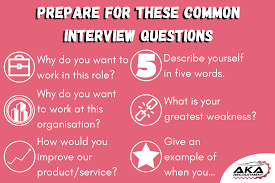
1. “Tell me about yourself.”
This is typically the first question in UK interviews. Employers aren’t asking for your life story—they want a concise professional summary showing why you’re a strong fit for the role.
How to Answer
Use a simple structure:
-
Present: Who you are professionally today
-
Past: Relevant experience or training
-
Future: Why you’re applying
Example Structure
“I’m currently a customer service assistant with three years of experience handling high-volume queries in retail and telecoms. Previously, I trained in conflict resolution and complaint management. I’m now looking to progress into a customer support specialist role where I can apply my communication skills and continue developing.”
2. “What attracted you to this role?”
Employers in the UK want to see whether you understand the job and have genuine motivation—not just looking for any available position.
How to Answer
Focus on:
-
The responsibilities you’re excited about
-
The company’s values/vision
-
How the position fits into your long-term goals
Tip
Mention specific elements from the job description to show you’ve read it carefully.
3. “What do you know about our company?”
This question is extremely common in UK interviews. Recruiters expect candidates to do basic research before applying.
How to Answer
Research:
-
Company history
-
Products/services
-
Values or mission
-
Recent news
-
Market reputation
Then summarise how this information aligns with your interest in the role.
Example
“You’re known as one of the UK’s leading fintech providers, particularly with your focus on secure mobile banking. Your recent expansion into AI-powered fraud detection really impressed me, and it aligns with my interest in digital risk management.”
4. “What are your strengths?”
This question tests your self-awareness and how well your strengths match the role.
How to Answer
Choose 3–4 strengths directly related to the job. Then support each with an example using the STAR technique:
-
Situation
-
Task
-
Action
-
Result
Examples of strengths
-
Communication
-
Organisation
-
Team leadership
-
Attention to detail
-
Problem-solving
-
Technical expertise
Avoid vague statements like “I work hard” unless you back them up with evidence.
5. “What is your biggest weakness?”
This often feels like a trick question, but UK interviewers ask it to test honesty and self-improvement.
How to Answer
-
Choose a genuine—but non-critical—weakness.
-
Explain how you’re working to improve it.
-
Avoid clichés like “I’m a perfectionist.”
Example
“I sometimes take on too many tasks at once. To manage this, I’ve been using project management tools and prioritising more effectively, which has helped me meet deadlines consistently.”
6. “Describe a time you faced a challenge at work and how you handled it.”
This behavioural question helps employers see how you deal with pressure, change, or conflict.
How to Answer
Use the STAR method and choose an example that highlights:
-
Resilience
-
Problem-solving
-
Communication
-
Initiative
Example Structure
-
Situation: A customer was unhappy with a delayed order.
-
Task: You needed to resolve the complaint.
-
Action: You apologised, investigated the issue, offered solutions, and kept the customer updated.
-
Result: The customer remained loyal and gave positive feedback.
7. “Where do you see yourself in five years?”
UK employers want reassurance that you’re motivated and see a future with their organisation.
How to Answer
Show ambition but keep it realistic:
-
Emphasise growth
-
Mention skills you hope to develop
-
Align your goals with the company’s direction
Avoid saying you hope to have moved to a completely different field.
8. “Why should we hire you?”
This question is your opportunity to sell yourself clearly and confidently.
How to Answer
Focus on the unique value you bring:
-
Your top strengths
-
Relevant experience
-
Cultural fit
-
Results you’ve achieved
Example Structure
“You should hire me because I bring three years of experience improving workflow efficiency, strong analytical skills, and a proactive approach to problem-solving—qualities that align directly with your need for a process-focused administrator.”
9. “Tell me about a time you worked in a team.”
Teamwork is highly valued in UK companies, so expect this question in almost any interview.
How to Answer
Talk about:
-
Collaboration
-
Communication
-
Conflict resolution
-
Shared goals
Again, use the STAR method to structure your answer.
10. “How do you handle pressure?”
Employers want to see whether you can stay calm and productive in stressful situations.
How to Answer
Provide:
-
A real example
-
Techniques you use (prioritising, planning, communication)
-
A positive outcome
Example
“I stay calm under pressure by breaking tasks into smaller steps and communicating early if deadlines need adjusting. This approach helped me meet a tight project deadline last quarter while maintaining accuracy.”
11. “What motivates you?”
This helps employers understand what drives your performance.
How to Answer
Your answer might include:
-
Solving problems
-
Helping clients
-
Learning new skills
-
Achieving goals
-
Working in a team environment
Avoid saying “money” as your primary motivation.
12. “Describe a time you showed leadership.”
Even non-managerial roles may require leadership qualities.
How to Answer
Choose an example where you:
-
Guided a team
-
Provided support
-
Made decisions
-
Took initiative
-
Influenced a positive result
Leadership isn’t always about authority; it’s about responsibility and impact.
13. “What are your salary expectations?”
This question can feel uncomfortable, but it’s standard in UK interviews.
How to Answer
-
Research the market rate for the role
-
Give a reasonable range, not a fixed number
-
Be prepared to justify your expectation
Example
“Based on my experience and the typical range for this role in London, I’m looking for £30,000–£34,000, but I’m open to discussing depending on the overall package.”
14. “How do you prioritise your workload?”
This is crucial for roles involving deadlines, multitasking, or planning.
How to Answer
Mention tools and methods such as:
-
To-do lists
-
Project management software
-
Time-blocking
-
Communication with stakeholders
-
Assessing urgency and importance
Provide a short example to demonstrate your method in action.
15. “Do you have any questions for us?”
Nearly all UK interviewers ask this at the end. This is your chance to show enthusiasm and gather important information.
Good Questions to Ask
-
“What does success look like in this role?”
-
“How would you describe the team culture?”
-
“What are the next steps in the hiring process?”
-
“How do you support employee development?”
Avoid saying “No,” which can make you seem disengaged.
How to Prepare for UK Interviews Effectively
Beyond knowing the questions, strong preparation can set you apart. Here are some tips for success:
Research the Company Thoroughly
Before your interview:
-
Review the company website
-
Check their values and mission
-
Read recent news or updates
-
Understand the industry they operate in
This demonstrates professionalism and interest.
Use the STAR Method for Behavioural Questions
The STAR method helps you present clear, structured answers:
-
Situation: Provide context
-
Task: Explain your responsibility
-
Action: Describe what you did
-
Result: Share the positive outcome
Employers in the UK widely expect candidates to use this structure.
Practice Your Answers
Rehearsing aloud helps:
-
Reduce nerves
-
Improve clarity
-
Strengthen your delivery
You don’t need to memorise word-for-word—focus on key points.
Prepare Examples in Advance
Many questions require real-world examples. Prepare at least five situations that show:
-
Teamwork
-
Leadership
-
Problem-solving
-
Customer service
-
Handling pressure
You can adapt these examples to multiple questions.
Dress Appropriately
In the UK, interview dress codes vary by industry:
-
Corporate roles: Formal attire
-
Creative sectors: Smart-casual
-
Technology roles: Often business-casual
When unsure, err on the side of smart.
Arrive Early and Stay Calm
Aim to arrive:
-
10 minutes early for in-person interviews
-
5 minutes early for video calls
Test your technology beforehand if the interview is online.
Final Thoughts
Preparing for common UK interview questions is one of the most effective ways to improve your chances of success. By understanding why employers ask these questions and crafting thoughtful, structured responses, you can approach your interview with confidence and clarity.
Remember:
-
Research the company
-
Use the STAR method
-
Highlight relevant strengths
-
Provide examples
-
Ask insightful questions
Interviews aren’t just about assessing you—they’re also a chance for you to assess whether the employer is the right match. With the right preparation and mindset, you can turn any interview into a positive opportunity. Read more COMMON UK INTERVIEW QUESTION.